
Table of Contents
- What Is an HVAC Diagnostic and Why You Need One
- Typical HVAC Diagnostic Fee Ranges
- What's Included in an HVAC Diagnostic Fee
- HVAC Service Call Fee vs. Diagnostic Fee: What's the Difference
- Factors That Affect HVAC Diagnostic Pricing
- Will Your HVAC Diagnostic Fee Be Applied to Repair Work
- Getting an HVAC Repair Estimate After Diagnosis
- Red Flags and How to Protect Yourself
- Frequently Asked Questions
Last Updated: October 19, 2026
What Is an HVAC Diagnostic and Why You Need One
An HVAC diagnostic is a thorough inspection of your heating and cooling system to identify problems and determine what repairs or maintenance your equipment needs, and understanding the average cost for residential hvac diagnostic helps you budget for this essential service. A technician will test your system's components, measure performance, and pinpoint any issues affecting comfort or efficiency.
Think of it like a doctor's checkup for your home. You wouldn't ignore strange symptoms from your body, and you shouldn't ignore warning signs from your HVAC system either. Strange noises, uneven heating, higher energy bills, or a system that won't start all signal that something needs attention.
The key difference between a diagnostic and a repair is simple: diagnosis tells you what's wrong. Repair fixes it. At Giron & Son's Heating & Cooling, we believe a solid diagnostic is the foundation of honest service. You can't make smart decisions about your system without knowing exactly what you're dealing with.
Most homeowners call when a problem becomes urgent. But a diagnostic can catch small issues before they turn into expensive failures. A refrigerant leak caught early costs far less than a compressor replacement. A worn blower motor identified during maintenance prevents a mid-winter breakdown.
Typical HVAC Diagnostic Fee Ranges
The average cost for residential hvac diagnostic varies based on your location, the complexity of your system, and whether you call during regular business hours or after hours.
The diagnostic fee covers the technician's time, expertise, and the tools they bring. It's not just someone showing up and looking at your equipment. A proper diagnostic involves testing, measurement, and analysis.
Many homeowners worry about paying for a diagnosis only to learn they need expensive repairs. That's a valid concern.
What's Included in an HVAC Diagnostic Fee
A comprehensive HVAC diagnostic includes several specific checks and measurements. Understanding what you're paying for helps you know whether you're getting real value or just a quick walkthrough.
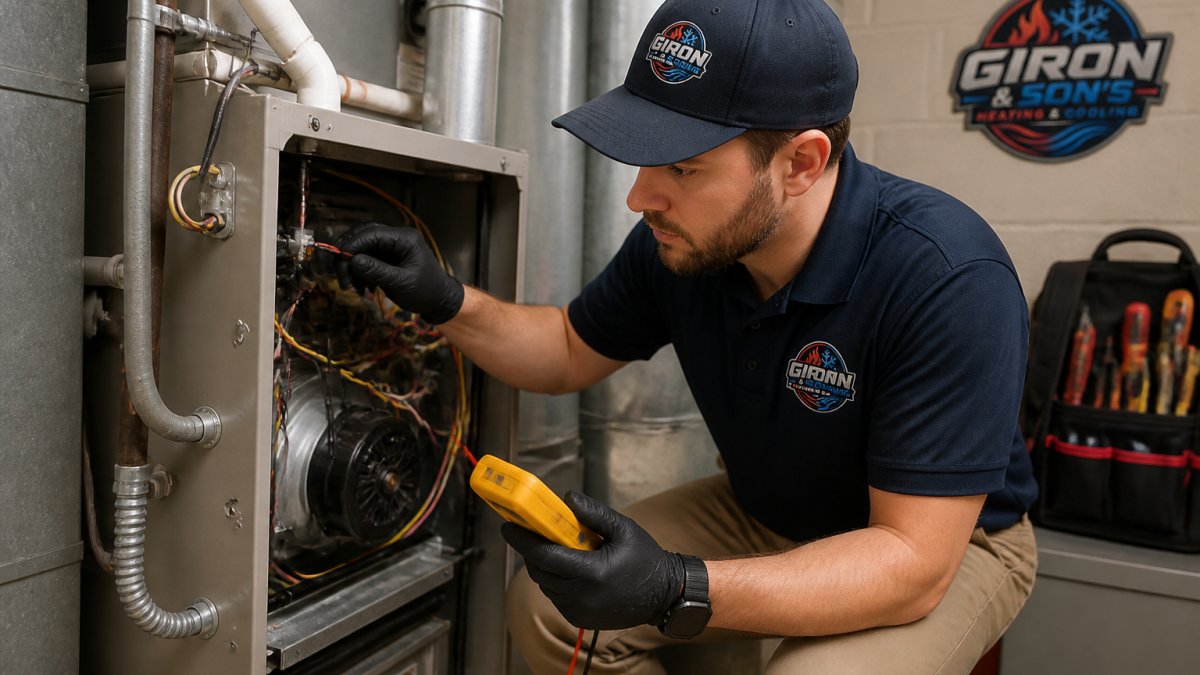
A technician will typically:
- Visual inspection: Check the furnace, air conditioner, thermostat, ductwork, and all visible connections
- Airflow measurement: Test how much conditioned air your system is actually delivering to each room
- Refrigerant level check: Verify that your AC has the correct amount of refrigerant (too little means poor cooling and higher energy costs)
- Electrical component testing: Inspect capacitors, contactors, and wiring for signs of wear or failure
- Thermostat calibration: Confirm your thermostat is reading and controlling temperature accurately
- Ductwork assessment: Look for leaks, blockages, or disconnections that waste energy
- System performance testing: Run the equipment through cycles to observe how it operates
- Written report: Most providers give you a detailed summary of findings and recommendations
A thorough diagnostic takes 45 to 90 minutes, depending on system complexity. Don't be surprised if a technician spends time climbing into your attic or crawlspace to inspect ducts and connections. That's part of doing it right.
HVAC Service Call Fee vs. Diagnostic Fee: What's the Difference
These terms get confused often, and that confusion costs homeowners money. Let's be clear about what each one means.
A service call fee is what you pay just for a technician to show up at your home and assess the situation. It's sometimes called a trip fee or visit fee. This fee applies whether the technician finds a simple problem or a complex one. It covers their time and travel.
A diagnostic fee is more specific. It's the charge for a detailed inspection and testing process to identify what's actually wrong with your system. A diagnostic includes measurements, component testing, and a written report of findings.
Here's the practical difference: You might call for a service visit because your heat won't turn on. The technician arrives, looks at your thermostat, sees the batteries are dead, replaces them, and leaves. That's a service call. You paid the trip fee, the problem was obvious, and no extensive testing was needed.
In another scenario, your system is running but not heating evenly. The technician needs to check airflow, inspect ductwork, test the furnace, measure temperature differentials, and analyze the results. That's a diagnostic. It requires more time and expertise.
Many HVAC companies bundle these. They charge a single fee that covers both the service visit and diagnostic work. Others separate them. Either way, you should know what you're being charged for and what it includes.
Factors That Affect HVAC Diagnostic Pricing
Not every diagnostic costs the same. Several variables influence what you'll pay for an inspection and testing of your system.
System age and condition matters significantly. Newer systems with straightforward problems take less time to diagnose. Older equipment with multiple potential issues requires more investigation. A 20-year-old furnace might have corrosion, wear on multiple components, and unclear history, making diagnosis more complex.
System type affects the fee. A simple split system (one outdoor unit, one indoor unit) is faster to diagnose than a multi-zone system with several indoor units. Commercial-grade residential systems cost more to service than basic setups.
Geographic location influences pricing. Urban areas and regions with higher costs of living typically charge more for HVAC service. Rural areas may charge less, but travel distances can add fees.
Time of service is a major factor. Regular business hours (weekdays, 8 a.m. to 5 p.m.) have standard rates. Evening, weekend, and holiday calls often include emergency surcharges of $50 to $100 or more.
Seasonal demand affects availability and pricing. Summer and winter are peak seasons when HVAC companies are busiest. Spring and fall typically offer lower rates because demand is lighter.
Technician experience level can matter. Some companies charge more for senior technicians with advanced certifications. Entry-level technicians might charge less, though you want someone qualified to handle your system properly.
Ductwork accessibility influences time spent. Systems with easily accessible ducts and components take less time. Homes with ducts hidden in walls or attics require more effort and may carry higher fees.
Will Your HVAC Diagnostic Fee Be Applied to Repair Work
This is one of the most important questions homeowners ask, and it's worth clarifying upfront before you schedule service.
Many HVAC companies credit the diagnostic fee toward repair costs if you hire them to do the work. The amount credited varies.
Here's why this matters: If you're charged $150 for a diagnostic and the company credits $150 toward repairs, your actual out-of-pocket cost for the diagnosis is zero if you move forward. If they credit nothing, you've paid $150 just to learn what needs fixing.
Before you call for service, ask directly: "If I decide to have you repair the system, will you credit the diagnostic fee toward the repair bill?" Get the answer in writing or note it when you schedule. This prevents surprises and misunderstandings later.
Some homeowners get multiple diagnostics from different companies to compare recommendations. If you do this, you'll pay the diagnostic fee to each company. Only the company that does your repairs will credit that fee.
The practice of crediting diagnostic fees is standard in the industry because it builds trust. At Giron & Son's Heating & Cooling, we credit the diagnostic fee toward repair work. We want you to feel confident that you're not paying extra just to learn what's wrong.
Getting an HVAC Repair Estimate After Diagnosis
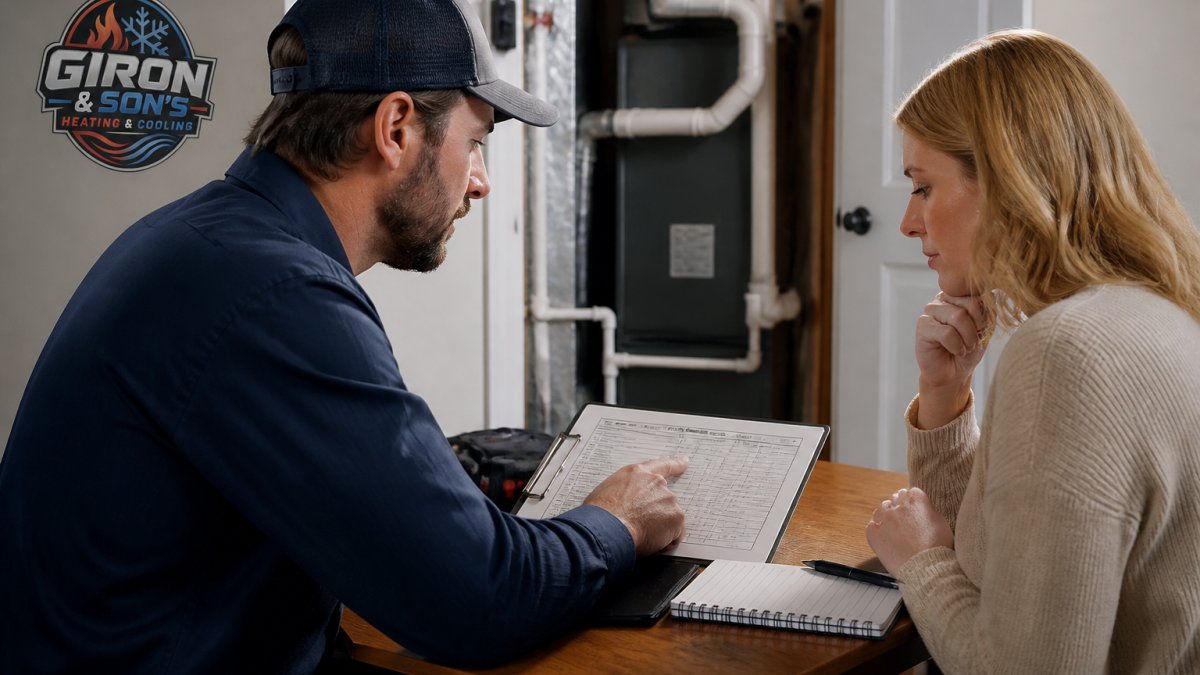
Once the diagnostic is complete, you'll have a clear picture of what needs to be done. The technician should provide a written report with findings and recommendations.
A repair estimate comes next. This is a separate document that lists the specific work needed, the cost of parts, labor charges, and the total price. An estimate is different from an invoice. An estimate is a quote. An invoice is a bill after work is completed.
A good repair estimate includes:
- Description of the problem identified during diagnosis
- Specific repairs or replacements needed
- Part costs and labor costs listed separately
- Total estimated cost
- Timeline for completing the work
- Warranty information on parts and labor
- Payment terms and options
Don't accept a vague estimate. "Fix your AC" isn't specific enough. You need to know exactly what's being replaced, what it costs, and why it's necessary. This protects you and gives you confidence in the decision.
You have the right to get estimates from multiple companies. This helps you compare prices and approaches. Be cautious of estimates that are dramatically lower than others. They might indicate shortcuts or hidden costs.
Ask about warranty coverage. Quality HVAC work typically includes a warranty on parts (usually 1 to 10 years depending on the part) and labor (typically 1 to 2 years). Understand what's covered and for how long.
Red Flags and How to Protect Yourself
Not all HVAC companies operate with equal integrity. Some use high-pressure sales tactics. Others recommend unnecessary replacements. Knowing the red flags helps you avoid costly mistakes and dishonest service.
Immediate replacement recommendations without attempting repair should raise a question. If a technician hasn't even tried to fix a problem and is already pushing a full system replacement, get a second opinion. At Giron & Son's Heating & Cooling, we take a repair-first approach when practical. Replacement should be the last resort, not the first suggestion.
Refusing to provide a written estimate is a major warning sign. You should always get a detailed, written estimate before work begins. Verbal quotes leave room for misunderstanding and disputes.
Pressure to decide immediately is a common tactic. Legitimate HVAC companies give you time to consider your options. If someone says "this deal is only good today," that's a pressure tactic. Real deals are available tomorrow too.
Vague descriptions of work hide problems. If the estimate says "repair furnace" without specifying what's being repaired or replaced, ask for details. You need specifics.
Unusually low prices compared to other quotes might mean cutting corners or hidden fees added later. Competitive pricing is good. Suspiciously cheap pricing is suspicious.
No license or insurance is disqualifying. Every HVAC technician should carry proper licensing and insurance. Ask to see credentials.
Poor communication before and during service suggests poor service quality. A company that's hard to reach, doesn't return calls, or is unclear about scheduling is likely to disappoint you when problems arise.
To protect yourself:
- Get multiple estimates from different companies
- Ask about diagnostic fee credits in writing
- Request detailed written estimates before authorizing work
- Verify licensing and insurance
- Check online reviews and ask for references
- Understand your system's warranty coverage
- Ask questions about anything you don't understand
Finding a trustworthy HVAC provider makes all the difference when your heating and cooling system needs attention. That investment gives you the clarity you need to make smart decisions about repairs or replacement.
When you're ready for honest diagnostics and dependable service, Giron & Son's Heating & Cooling is here to help. We credit diagnostic fees toward repair work, communicate clearly about what your system needs, and prioritize repairs over unnecessary replacements. Schedule Online or contact us today to book your appointment with a technician who listens to your concerns and delivers straightforward solutions.
Frequently Asked Questions
How much does an HVAC diagnostic typically cost?
HVAC diagnostic fees vary based on system complexity, your location, and whether you need emergency service. Pricing depends on your specific equipment and local market rates. Contact Giron & Son's Heating & Cooling for a current quote tailored to your situation and to learn how we structure our diagnostic fees transparently.
Is an HVAC diagnostic fee applied to the repair cost?
This practice varies by provider and should be clarified before the technician arrives. Ask your service provider upfront whether the diagnostic fee will be credited to your repair estimate so there are no surprises.
What does an HVAC diagnostic fee include?
A standard HVAC diagnostic includes a system inspection, electrical component testing, refrigerant level checks, airflow assessment, and a written report of findings. The technician tests performance, identifies the root cause of malfunction, and provides a repair estimate. Some providers include basic maintenance checks or filter evaluation as part of the diagnostic visit.
What's the difference between a service call fee and a diagnostic fee?
A service call fee covers the technician's travel and time to reach your home; a diagnostic fee covers the actual troubleshooting and system testing to identify the problem. Some companies combine these into one charge, while others separate them. Always ask whether these are included as one fee or billed separately so you know the full cost upfront.