Table of Contents
- Weak or Reduced Airflow from Vents
- Uneven or Inconsistent Temperatures Throughout Your Home
- HVAC Making Strange Noises: Banging, Hissing, and Screeching
- Unusual Odors: Musty, Burning, or Foul Smells
- Rising Energy Bills and Poor System Efficiency
- Frequent Repairs, Short Cycling, and Recurring Breakdowns
- HVAC System Not Heating or Cooling Properly
- How Long Does a Heat Pump Last and When to Replace
- Frequently Asked Questions
Last Updated: October 16, 2026
Weak or Reduced Airflow from Vents
Weak airflow is one of the first signs an HVAC system failing is occurring. When you place your hand near a vent, you should feel strong, consistent air pushing out. If the air feels thin or barely moves, your heating and cooling system isn't working as it should.
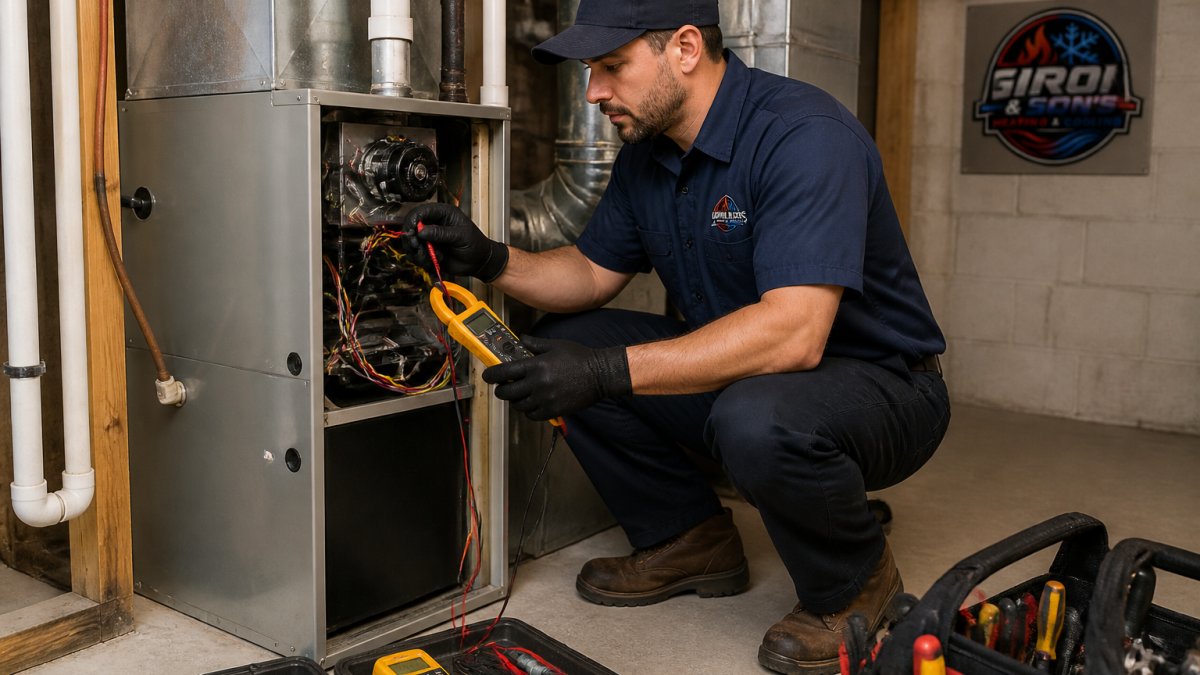
Reduced airflow happens for several reasons. A clogged air filter is the most common culprit. Dirty filters block air from flowing freely through your system. Other causes include ductwork leaks, blocked vents, or a failing blower motor.
How to check this yourself:
- Walk through your home and feel the air at each vent
- Compare vents in different rooms, uneven airflow is a red flag
- Check your air filter (most need replacement every 1-3 months)
- Look for visible dust buildup around vents and returns
If airflow improves after replacing the filter, you've solved the problem. If weak airflow persists, the issue is deeper. At Giron & Son's Heating & Cooling, we recommend calling a technician to inspect your ductwork and blower motor.
Uneven or Inconsistent Temperatures Throughout Your Home
Hot spots in one room and cold spots in another signal trouble. Your HVAC system should maintain steady temperatures across your entire home. When some rooms stay warm while others freeze, your cooling or heating system isn't distributing air evenly.
Uneven temperatures can stem from several sources:
- Leaky or poorly sealed ductwork
- A malfunctioning thermostat that isn't reading temperature correctly
- Blocked vents or returns in certain rooms
- A failing compressor or heat exchanger
Start by checking your thermostat. Make sure it's set to the right temperature and the batteries aren't dead. Walk around your home with a thermometer and note which rooms are too hot or too cold.
What to look for:
- Temperature swings of more than 2-3 degrees between rooms
- Consistent cold spots or warm spots in the same locations
- Rooms that never reach the set temperature
- Uneven heating in winter or cooling in summer
If one room is consistently problematic, check vents and returns in that space. Furniture blocking vents is a common fix. If the problem spans multiple rooms, your HVAC system likely needs professional attention. Inconsistent temperatures often indicate your heating system or cooling system components are wearing out.
HVAC Making Strange Noises: Banging, Hissing, and Screeching
A properly functioning HVAC system runs quietly. If you hear banging, hissing, screeching, or other unusual sounds, your system is telling you something is wrong.
Different noises point to different problems:
- Banging or clanking: A loose component inside the unit, a failing compressor, or debris in the ductwork
- Hissing: Refrigerant leak, which is serious and needs immediate attention
- Screeching: A worn blower motor bearing or a belt that needs replacement
- Rattling: Loose panels, fasteners, or components vibrating against the housing
- Grinding: Metal-on-metal contact, often from a damaged compressor
Note when the noise happens. Does it occur when the system first starts? During operation? Only when cooling or heating? This information helps a technician diagnose the problem faster.
Safe steps you can take:
- Turn off the system and listen for the noise again
- Check around the outdoor unit for loose debris or objects
- Look inside the return air vent for visible blockages
- Don't attempt to open the unit yourself, refrigerant and electrical components are dangerous
Strange noises almost always mean your HVAC system failing is happening in some way. Schedule service promptly. A small problem caught early is far cheaper to fix than waiting until the system breaks completely.
Unusual Odors: Musty, Burning, or Foul Smells
Your nose can detect HVAC problems before your eyes can. Odors coming from vents or the outdoor unit signal trouble.
Musty smells usually mean mold or mildew growing inside your ductwork or air handler. This happens when moisture builds up.
Burning smells are more serious. They suggest an electrical issue, an overheating motor, or a failing component. Turn off your system immediately if you smell burning.
Foul or rotten odors can indicate dead animals in your ductwork or a backed-up condensate drain. This requires professional removal.
Don't ignore odors. They're your system's way of warning you that something needs attention.
What you can do:
- Note exactly where the smell is strongest
- Check if the smell is worse when the system first turns on
- Look for visible mold around vents or the indoor unit
- Ensure your condensate drain isn't blocked (usually a small pipe near the indoor unit)
If a burning smell appears, shut down your system and call for service. Burning odors can indicate electrical problems that pose a fire risk.
Rising Energy Bills and Poor System Efficiency
One of the clearest signs your HVAC system is failing is a sudden jump in your heating and cooling costs. When your system works harder to maintain temperature, it uses more energy.
An aging or malfunctioning system loses efficiency. The compressor works longer to cool your home. The heating elements run continuously to maintain warmth. Your thermostat cycles on and off more frequently, a pattern called short cycling.
Compare your energy bills month to month and year to year. A 10-15% increase without a change in your usage patterns suggests your system is struggling.
Why efficiency drops:
- Refrigerant leaks (cooling systems)
- Worn compressor or motor bearings
- Dirty coils that reduce heat transfer
- Aging components that don't seal properly
- Poor airflow from clogged filters or ductwork
Your utility bills are one of the easiest ways to spot a failing HVAC system early. If you notice rising costs, have your system inspected before it fails completely. Early repairs are often cheaper than waiting for a breakdown.
Frequent Repairs, Short Cycling, and Recurring Breakdowns
If you're calling for repairs multiple times a year, your HVAC system is failing. Frequent repairs signal that components are wearing out and reaching the end of their lifespan.
Short cycling is a specific warning sign. This happens when your system turns on and off rapidly without completing a full heating or cooling cycle. Your compressor might run for just a few minutes, then shut off, then start again. This pattern wastes energy and damages the compressor.
Causes of short cycling include:
- Low refrigerant levels
- A faulty thermostat
- An oversized system for your home
- A dirty air filter restricting airflow
- A failing compressor
Recurring breakdowns mean your system components are failing faster than normal. Each repair buys you time, but eventually, the cost of repairs exceeds the value of the system.
Track your repair history:
- Write down the date and cost of each repair
- Note which component failed
- Keep receipts for all service calls
If you've had three or more repairs in the past 12 months, or if a single repair costs more than 50% of a new system's price, replacement often makes more financial sense than continued repairs. At Giron & Son's Heating & Cooling, we help homeowners evaluate whether to repair or replace based on their specific situation.
HVAC System Not Heating or Cooling Properly
When your heating system fails to warm your home or your cooling system can't bring temperatures down, you have a serious problem. This is different from uneven temperatures, this is a system-wide failure.
Poor heating in winter means your furnace or heat pump isn't generating enough warmth. You might notice:
- The system runs constantly but never reaches your set temperature
- Warm air comes out of vents initially, then turns cold
- The system cycles on and off without maintaining heat
Poor cooling in summer means your air conditioner isn't removing heat effectively. Signs include:
- The system runs continuously but temperature keeps rising
- Vents blow air that feels barely cool
- Humidity inside your home stays high even with the system running
Both scenarios point to failing components. A heat pump that won't heat properly might have a refrigerant leak or a failed reversing valve. An air conditioner that won't cool might have a compressor problem or blocked condenser coils.
These are not DIY fixes. Your HVAC system not heating or cooling properly requires professional diagnosis. Call a technician promptly, running a failing system wastes energy and can cause additional damage.
| Problem | Likely Cause | Next Step |
|---|---|---|
| System runs but doesn't heat | Refrigerant leak, failed heat exchanger, or reversing valve issue | Schedule professional inspection |
| System runs but doesn't cool | Low refrigerant, compressor failure, or blocked condenser | Call for immediate service |
| System cycles on and off rapidly | Short cycling, thermostat malfunction, or airflow problem | Check filter and thermostat first, then call technician |
How Long Does a Heat Pump Last and When to Replace
A typical heat pump lasts 10-15 years with regular maintenance. Some well-maintained systems reach 20 years, but that's the exception. Once your system passes 12-15 years old, replacement becomes a reasonable consideration.
Age matters because components degrade over time. Compressors lose efficiency. Seals wear out. Electrical connections corrode. Even with good maintenance, an older system will eventually fail.
Signs it's time to replace, not repair:
- Your system is older than 12 years and needs frequent repairs
- A single repair would cost more than 50% of a new system's price
- Your system fails to heat or cool properly despite repairs
- Your energy bills have climbed significantly year over year
- You're using an older refrigerant like R-22 that's being phased out
Newer systems are more efficient and use modern refrigerants. They also come with warranties. The upfront cost of replacement is offset by lower energy bills and fewer repair calls.
When to repair instead:
- Your system is younger than 8 years old
- The repair costs less than 30% of replacement
- The system has been reliable with only occasional maintenance needs
- You plan to stay in your home for several more years
At Giron & Son's Heating & Cooling, we help homeowners make this decision based on their specific circumstances.
When your HVAC system is failing, the signs are usually obvious once you know what to look for.
At Giron & Son's Heating & Cooling, we understand that HVAC decisions can feel overwhelming. Whether your equipment needs a repair or replacement, we'll explain your options without the runaround. Schedule online or contact us today to get a professional assessment of your heating and cooling system.
Frequently Asked Questions
What is the $5,000 rule in HVAC?
The $5,000 rule is a common decision framework: multiply your HVAC system's age by the repair cost. If the result exceeds $5,000, replacement often makes financial sense. For example, a 10-year-old system needing a $600 repair (10 × $600 = $6,000) may be a candidate for replacement. However, this is a guideline, not a hard rule, your system's overall condition, remaining lifespan, and energy efficiency gains should also factor into your decision.
How can I tell if my HVAC system is bad?
Common signs include weak airflow from vents, uneven room temperatures, unusual noises like banging or hissing, musty or burning odors, rising energy bills, and frequent breakdowns. If your air conditioner or heating system struggles to maintain comfort, runs constantly (short cycling), or requires repairs more than once or twice yearly, your HVAC system is likely failing. A professional technician can diagnose the exact problem.
When should I repair an HVAC system instead of replacing it?
Repair is usually the right choice if your system is under 10 years old, the repair cost is less than 50% of a replacement, and the problem is isolated (like a faulty thermostat or air filter). If your system is older, repairs are frequent, or the issue affects core components like the compressor or heat exchanger, replacement often provides better long-term value and reliability.
What is the most common problem with HVAC systems?
Reduced or weak airflow is the most common issue, often caused by clogged air filters, blocked vents, or failing blower motors. Other frequent problems include refrigerant leaks in air conditioning systems, thermostat malfunctions, and electrical component failures. Regular maintenance, such as replacing air filters every 1-3 months and scheduling annual tune-ups, prevents many of these problems before they develop into system failures.