
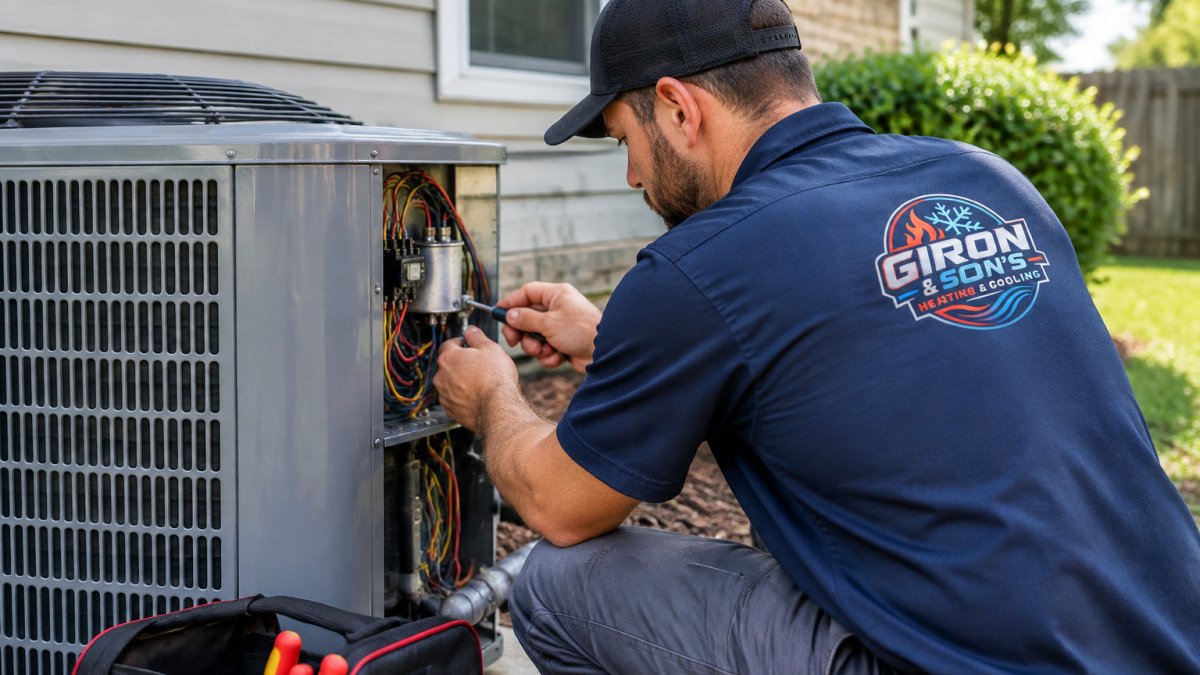
Last Updated: November 10, 2026
Quick Summary
The best time to schedule AC repair is early spring, before the first heat wave hits and calendars fill up. March through May is the sweet spot, since contractors are transitioning out of heating season and the summer rush hasn't started. Fall and winter offer a second, quieter window for cooling work.
- Book a Tuesday through Thursday morning appointment for a wider choice of arrival times and less waiting.
- Call for same-day service if there is no cool air, water pooling, burning smells, or a breaker that trips repeatedly.
- Ask whether the diagnostic fee is separate from the repair cost and whether it applies to the repair.
- Clear a two-foot path around the indoor and outdoor units before the technician arrives.
- Don't book a routine tune-up during the first heat wave and expect a same-week slot.
Table of Contents
- Why Timing an AC Repair Appointment Matters
- The Best Time of Year to Schedule AC Repair
- Signs You Need AC Repair Before Summer Arrives
- Urgent Repairs vs. Routine Maintenance: Which Appointment Do You Need?
- How to Prepare for an HVAC Service Appointment
- Questions to Ask an HVAC Contractor Before You Book
- Book Your AC Repair Appointment With Giron & Son's Heating & Cooling
- Frequently Asked Questions
Why Timing an AC Repair Appointment Matters
The best time to schedule AC repair is early spring, before the first heat wave hits and calendars fill up. That single scheduling decision often means the difference between a quick fix and a long wait.
Here's what most homeowners get wrong: they wait for the system to fail. The ENERGY STAR maintenance checklist makes a simple point that gets overlooked.
A service appointment booked in mild weather gives you options. You pick the day. You pick the time. And you avoid the scramble that comes with peak cooling season.
How Peak Cooling Season Changes the Scheduling Picture
Summer changes everything about HVAC service. When temperatures climb, technician availability drops fast. Emergency no-cool jobs often jump to the front of the line, and a routine system check-up can take longer to schedule in July than in April.
What most guides miss is the ripple effect. Peak demand doesn't just delay appointments. It also pushes after-hours service into premium territory and stretches every crew thin. Booking early gives you more scheduling flexibility during peak season.
The Best Time of Year to Schedule AC Repair
Spring and fall are the two best windows for AC repair, with early spring leading for cooling-specific work. Both seasons share one advantage: mild weather means fewer emergency calls and more appointment flexibility.
Spring: Book Before the First Heat Wave
March through May is the sweet spot for AC repair and AC maintenance. Contractors are transitioning out of heating season, and the summer rush hasn't started. A spring tune-up lets a technician inspect the system while conditions are calm.
This is also when small issues are cheapest to catch. A weak refrigerant charge or a clogged air filter is a quick fix in April.
Waiting for the first warm week to call can mean a longer wait, since many homeowners have the same idea.
Fall and Winter: The Quiet Window
September through November offers a second, quieter window for HVAC maintenance and any lingering repair needs. Cooling season is winding down, and heating season hasn't peaked. Ask whether any seasonal maintenance offers are available when you book.
Winter is even quieter for cooling work. If your air conditioning system has a known issue you've been putting off, a cold-weather service appointment is often the easiest one to get. Just confirm the contractor handles cooling repairs in the off-season.
Here are the seasonal windows the article recommends for booking cooling work.
| Season | Months | Why it works |
|---|---|---|
| Spring | March through May | Sweet spot for AC repair and maintenance; summer rush hasn't started |
| Fall | September through November | Quieter window for HVAC maintenance and lingering repairs |
| Winter | Off-season | Easiest service appointment to get for known cooling issues |
Signs You Need AC Repair Before Summer Arrives
Watch for weak airflow, warm air from the vents, strange noises, and rising energy use.
What most guides skip is triage.
Call for same-day or next-day service if you notice:
- No cool air at all, or air that blows warm for more than a few minutes after startup
- Water pooling around the indoor unit or ceiling stains beneath it
- A burning smell, smoke, or sparks when the system kicks on
- A breaker that trips repeatedly when the AC starts
- Loud banging, grinding, or screeching from the outdoor unit
Those signs can point to electrical faults, refrigerant leaks, or mechanical failure, and running the system in that condition can make a repair more costly.
Schedule a repair within the week if you notice:
- Weak airflow from some vents but not others
- The system runs constantly but the house stays warm
- Odd musty smells when the AC kicks on
- Thermostat settings seem ignored
- Energy bills climbing without a clear reason
- Visible moisture or ice on the refrigerant lines
These usually mean a clogged air filter, a failing capacitor, a refrigerant charge issue, or a duct problem.
Book routine seasonal service if you notice:
- The system works but hasn't been serviced in a year or more
- Cooling is fine but the unit is louder than it used to be
- You want a pre-summer inspection with no active symptoms
Here's a simple checklist to run before you book:
- Air from vents feels weak or warm
- System runs constantly but the house stays warm
- Odd smells or sounds when the AC kicks on
- Thermostat settings seem ignored
- Energy bills climbing without a clear reason
- Visible moisture or ice on the unit
Any one of these is a reason to call. Our team put together a full walkthrough of simple checks to try when the AC is running but the house is not cooling if you want to confirm before calling.
Watch out: if you see ice on the indoor coil or refrigerant lines, don't just turn the system off and wait.
Urgent Repairs vs. Routine Maintenance: Which Appointment Do You Need?
Urgent repair is for a system that has stopped cooling or is leaking, sparking, or making loud mechanical noises. Routine maintenance is for a working system that needs a seasonal tune-up and inspection. Knowing which one you need saves time and money.
- Book urgent repair now if: no cool air, water pooling, burning smells, or a tripped breaker that keeps resetting.
- Book routine maintenance if: the system works but hasn't been serviced in a year or more.
- Book a diagnostic first if: you're unsure which category fits.
A repair-first mindset matters here. A good contractor diagnoses the actual problem before recommending anything bigger. If you're due for routine service rather than an emergency, you can book a seasonal AC tune-up and get ahead of the summer rush.
Best Time of Day and Week to Book
Seasonal timing gets most of the attention, but the day and hour you book matters just as much for how quickly you get seen.
A common pattern is that afternoon slots fill first during peak season because homeowners want to be home from work. If your schedule allows a morning appointment, you often get a technician who isn't already running behind.
Watch out: don't book a routine tune-up during the first heat wave of the year and expect a same-week slot.
What Happens During a Repair Visit
A repair visit usually follows a predictable sequence, and knowing it helps you judge whether a contractor is being thorough.
- Diagnosis. The technician tests the system, checks refrigerant pressures, electrical components, airflow, and the thermostat, and identifies the fault.
- Repair approval. You get an explanation of the problem and a price before work begins. Ask whether the diagnostic fee is separate from the repair cost and whether it applies to the repair.
- Repair. The technician replaces the failed part or corrects the issue, then tests the system under load.
- Follow-up. You get a summary of what was fixed and any recommended next steps, such as a filter change or a duct check.
If a contractor can't explain the diagnosis in plain terms or won't put the repair price in writing before starting, that's a reason to get a second opinion.
How Off-Peak Scheduling Affects Cost and Availability
Repair costs depend on the fault and the parts, not on the season. A failed capacitor and a failed compressor are priced very differently regardless of when you call.
Ask whether emergency and after-hours calls carry a different service charge than standard appointments.
For urgent problems, cost should not be the deciding factor. A system that is leaking, sparking, or blowing warm air in extreme heat needs prompt attention regardless of season.
How to Prepare for an HVAC Service Appointment
Clear access to the indoor unit and outdoor condenser, note the symptoms, and have your air filter size ready. A little prep can make the visit go more smoothly.
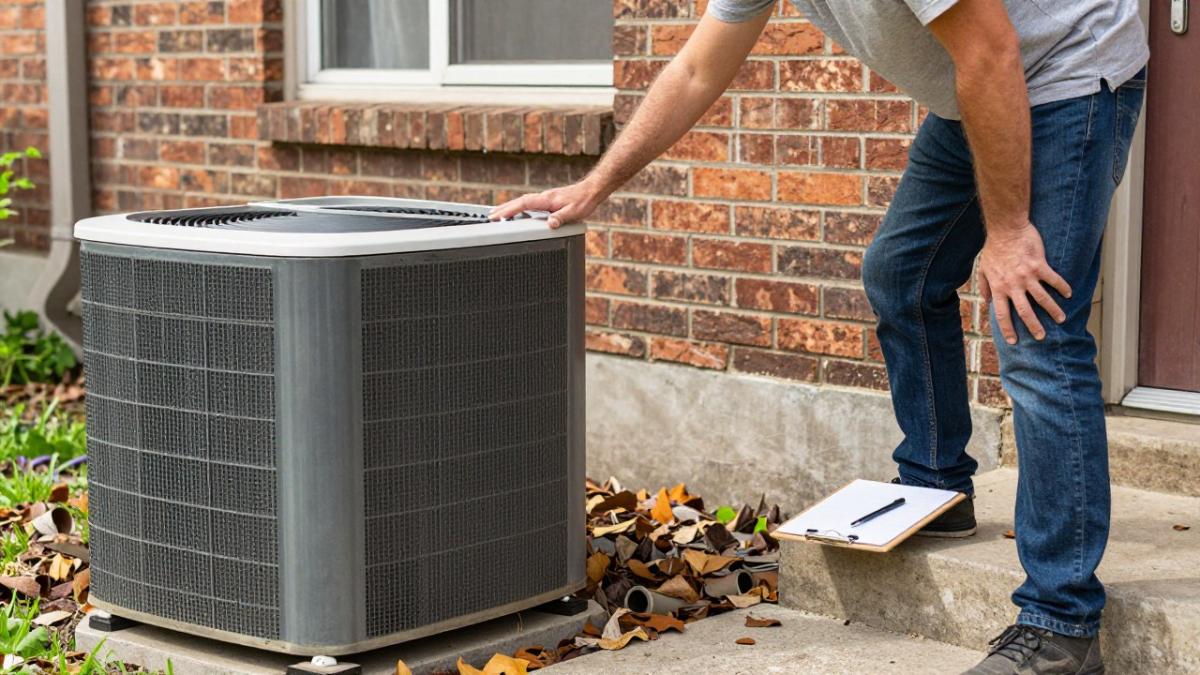
Use this quick prep list:
- Clear a two-foot path around the indoor and outdoor units
- Jot down when the problem started and what you've noticed
- Have the thermostat model and filter size handy
- Secure pets and unlock gates
- Ask about the diagnostic fee upfront
Watch out: don't try to "help" by opening the refrigerant lines or removing panels. That can void warranties and put you at risk. Leave the operating condition checks to the technician.
Questions to Ask an HVAC Contractor Before You Book
Ask about the diagnostic fee, repair-first policy, licensing, and scheduling windows before you commit. These four questions separate a fair quote from an unpleasant surprise. If you want a deeper look at comparing estimates, our guide on getting fair HVAC repair quotes covers how to spot hidden fees before you agree to any work.
Ask directly:
- "What's the diagnostic fee, and does it apply to the repair?"
- "Will you repair my current unit first, or push a replacement?"
- "How soon can you get someone out, and do you offer appointment windows?"
- "Are you licensed and insured?"
A dependable contractor answers all four without dodging. For a professional HVAC contractor, clear answers are the baseline, not a favor.
Book Your AC Repair Appointment With Giron & Son's Heating & Cooling
Veteran-owned and local, Giron & Son's Heating & Cooling handles residential AC repair, HVAC maintenance, and diagnostics across Monroe County and nearby communities. We focus on a repair-first approach, clear communication, and solid diagnostics. When you're ready, book AC repair service or use our online scheduling to pick a time that fits your week.
Don't let a small cooling problem grow into a summer breakdown. Giron & Son's Heating & Cooling offers dependable service, a repair-first mindset, and convenient online scheduling so you get comfort you can count on without the runaround.
Frequently Asked Questions
Should I schedule AC repair before summer?
Yes, booking before summer is the practical choice for most homeowners. Spring, especially March through May, gives you a wider choice of appointment times and lets a technician catch small problems before the system runs hard in summer heat. Once temperatures climb, HVAC contractors fill their schedules fast and wait times stretch. If your system showed any warning signs last season, such as weak airflow or odd noises, schedule an AC repair in spring rather than waiting for a breakdown on the hottest day of the year.
Is it cheaper to schedule AC repair in the off-season?
Off-season scheduling can work in your favor, though pricing depends on the contractor and the specific repair. Fall and winter are slower periods for cooling work, so some companies have more appointment flexibility. The bigger savings usually come from catching problems early: a small repair booked in mild weather often costs less than an emergency call during peak cooling season. Ask about current offers when you book, and get the diagnostic fee explained upfront.
How do I know if I need AC repair or just maintenance?
Maintenance is scheduled work on a system that is running normally: filter changes, coil cleaning, refrigerant level checks, and a general system check-up. Repair is for a specific problem, such as warm air from the vents, water pooling near the unit, a thermostat that will not respond, or a system that short-cycles. If you notice any of the signs you need AC repair, book a diagnostic visit rather than a tune-up. A qualified technician can confirm whether a repair or a routine service is the right call.
How far in advance should I book AC repair?
In spring and fall, a week or two of notice usually secures a convenient appointment slot. During peak cooling season, book as soon as you notice a problem, since same-week availability shrinks quickly and emergency calls take priority. If your system is completely down in hot weather, say so when you call so the scheduler can flag it as urgent. Booking online helps you see open times and pick a window that fits your work schedule instead of waiting on hold.
